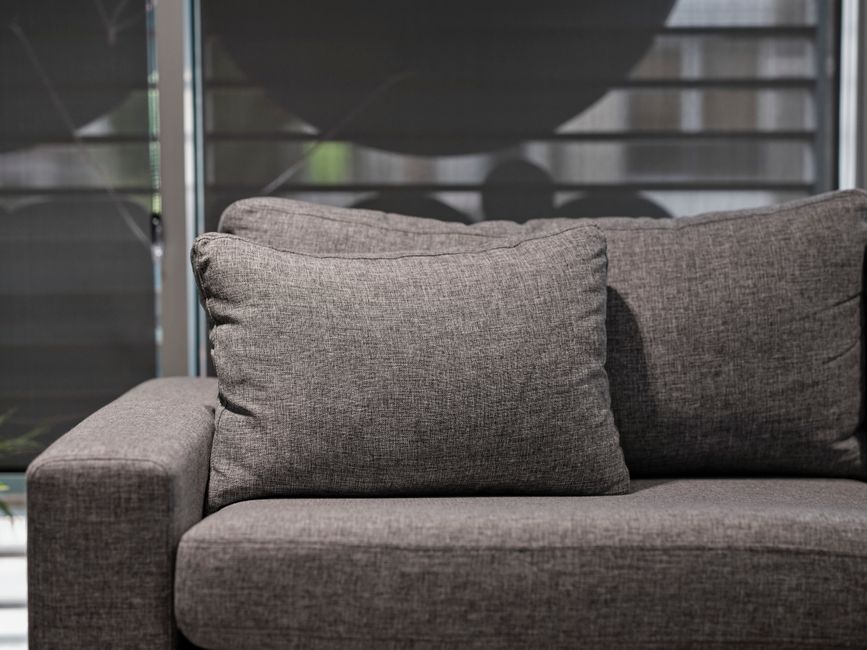
Upholstery cleaning for E3 homes Devons Road
Posted on 17/07/2026
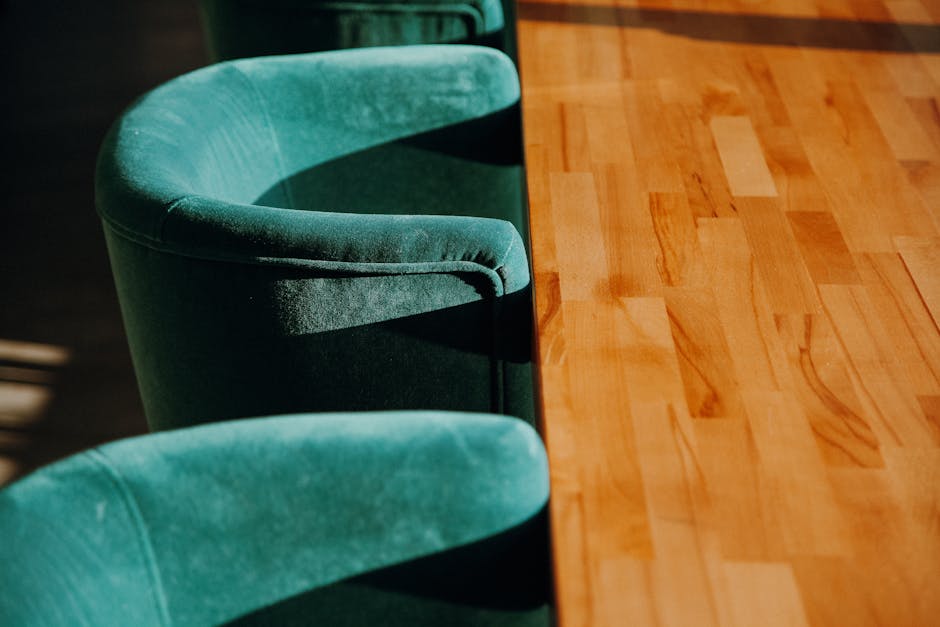
Upholstery cleaning for E3 homes Devons Road: a practical guide for fresher furniture and healthier rooms
If your sofa is looking a bit tired, your dining chairs have picked up everyday grime, or that armchair near the window has started to smell faintly of last winter's wet coats, you are not alone. Upholstery cleaning for E3 homes Devons Road is one of those jobs people put off until stains become impossible to ignore. Truth be told, most furniture does not need replacing as often as people think; it just needs the right clean at the right time.
This guide explains what upholstery cleaning involves, how it works in real homes around Devons Road, what to expect from different methods, and how to avoid the common mistakes that can damage fabric. You will also find a checklist, a comparison table, and a few down-to-earth tips that make the whole process less guessy and more manageable.
Why Upholstery cleaning for E3 homes Devons Road Matters
Upholstery takes more daily wear than most people realise. It traps dust, skin flakes, food crumbs, pet hair, pollen, and general household odours. In a busy E3 home near Devons Road, that build-up happens faster than you might expect, especially if the property has an open-plan lounge, regular visitors, children, pets, or windows kept open during warmer months.
It is not just about appearance. Fabrics can hold onto invisible dirt that makes a room feel stuffy, especially on damp days when airflow is limited. A sofa might look "fine" from across the room, but once you sit on it, the story is different. You may notice a stale smell, a flattened texture, or a patch that has gone darker from repeated use. That is usually the point where cleaning becomes less of a nice extra and more of a sensible household task.
For many E3 households, the timing matters too. People often want furniture refreshed before guests arrive, after a renovation, before selling, or during a wider deep clean in Bow. In rental homes, clean upholstery can also help a property feel cared for rather than just lived in. Small detail, big difference. Let's face it, first impressions stick.
There is another practical reason. Cleaning at the right interval can help extend the life of the fabric and the cushioning underneath. Dirt is abrasive. Every time someone sits down, particles grind into the fibres a little more. Over time, that wears the surface faster. So yes, upholstery cleaning is about looks, but it is also about preserving what you already own.
How Upholstery cleaning for E3 homes Devons Road Works
Good upholstery cleaning is not one-size-fits-all. A cotton-blend sofa, a velvet accent chair, and a synthetic office-style chair in a home workspace will all behave differently. The process usually starts with identifying the fabric type, the level of soiling, and any stains or marks that need special handling.
In practice, the cleaner will look for labels or care instructions, test a discreet area where needed, and then choose the most suitable method. That might be low-moisture cleaning, hot water extraction, gentle shampooing, or careful hand treatment for delicate materials. The point is to remove dirt without over-wetting the fabric or leaving residue behind.
The basic stages tend to be similar:
- Inspection and fabric identification.
- Dry vacuuming to remove loose debris.
- Spot treatment for stains, spills, and traffic marks.
- Main cleaning method matched to the material.
- Controlled extraction or drying support.
- Final grooming so the pile or texture sits neatly.
A proper clean should never leave cushions soggy or scented so heavily that the smell masks the problem. That is a common trap. If the fabric is still damp hours later, or the marks have simply shifted rather than gone, something was not handled quite right.
For more context on the wider cleaning options available to local households, you can browse the site's services overview or read about domestic cleaning in Bow if you are planning a full-home reset.
Key Benefits and Practical Advantages
There are several real benefits to getting upholstery cleaned properly, and most of them show up in everyday life rather than in dramatic before-and-after photos.
- Better appearance: fabrics look brighter, more even, and less flattened.
- Improved comfort: seating feels fresher and more pleasant to use.
- Odour reduction: lingering smells from food, pets, smoke, or damp are reduced.
- Longer fabric life: removing grit and grime helps slow wear.
- Healthier-feeling home: less visible dust and trapped debris in living areas.
- Better resale or rental presentation: especially useful before viewings or inventory checks.
One of the biggest practical advantages is how much cleaner a room feels after the furniture is done. You may not even touch the sofa and think, "Wow." But the room will feel different. Brighter. Less closed in. A bit more breathable, oddly enough. That sensation is hard to quantify, but very real.
Another benefit is protection against the small accidental spills that happen all the time: tea, coffee, makeup, ketchup, muddy paws, child-sized mystery stains. Some of these can become permanent if they sit too long. A timely clean gives you a much better shot at lifting them properly.
If you are in the middle of a move, a tenancy change, or a home refresh, upholstery cleaning also pairs well with end of tenancy cleaning in Bow and can be part of a broader spring cleaning Bow plan.
Who This Is For and When It Makes Sense
Upholstery cleaning is useful for a wide range of households, but some situations benefit more than others.
You will likely want it if:
- you have a sofa, loveseat, or armchair that gets daily use
- children or pets live in the home
- you have noticed food marks, drink spills, or odour build-up
- you are preparing for guests, photos, or a property viewing
- you are moving out and want the property to feel well cared for
- the fabric looks dull even after a regular vacuum
- you have delicate or high-value furniture and do not want to risk DIY damage
It also makes sense if you work from home and your office chair, desk chair, or guest seating has started to look grimy. Home workspaces get overlooked, then suddenly you notice the chair looks older than the rest of the room. Happens all the time.
People living close to transport routes or on busier streets often find that fabrics collect a little more dust than they expect. If that sounds familiar, you may also find the local reading on carpet cleaning near Bow Road Station helpful, because the same daily-dust logic applies across soft furnishings.
For homeowners looking at the bigger picture of property maintenance or resale, the local articles on real estate in Bow and selling real estate in Bow give useful context on how presentation affects buyer perception.
Step-by-Step Guidance
If you are deciding whether to clean upholstery yourself or book a specialist, it helps to understand the usual process. Here is the practical version, not the sales brochure version.
-
Check the fabric type.
Look for care labels where possible. Some fabrics tolerate moisture well; others are sensitive to heat, water, or agitation. Velvet, silk-like blends, and certain textured weaves need a gentler touch.
-
Vacuum thoroughly.
This removes loose dirt, crumbs, and pet hair before any liquid cleaning begins. Miss this step and you just turn dry debris into muddy residue. Not ideal.
-
Spot-test first.
Any cleaning product should be tested on an inconspicuous area. The aim is to check for colour transfer, texture change, or water marking. A tiny test patch saves a lot of regret.
-
Treat the stains individually.
Different stains need different approaches. Grease, tannins from tea, and protein-based stains behave differently. A one-product-fixes-all approach is usually where trouble starts.
-
Apply the main clean.
Use the selected method evenly and with restraint. Over-saturating fabric can push dirt deeper into the padding and slow drying.
-
Extract moisture or blot carefully.
Removing as much moisture as possible helps the fabric dry faster and reduces the risk of musty smells or water marks.
-
Brush or groom the fibres.
Once the upholstery is nearly dry, grooming helps the pile sit naturally again. This matters especially on velvet, chenille, and some woven blends.
-
Let it dry fully.
Good airflow helps a lot. Keep cushions separated if possible and avoid heavy use until the fabric is completely dry to the touch.
If you are juggling several jobs at once, one-off help can be easier than trying to fit upholstery into a whole weekend. The page on one-off cleaning Bow is worth a look if the clean is part of a bigger reset rather than a routine maintenance plan.
Expert Tips for Better Results
There are a few habits that consistently make upholstery cleaning go better. Nothing magical. Just the sort of detail that saves time and avoids grief.
- Treat spills early. Fresh stains are generally easier to lift than older ones that have had time to bond with fibres.
- Use less liquid than you think. More water does not equal better cleaning. Quite the opposite, in many cases.
- Work from the outside in. This helps prevent the stain from spreading.
- Blot, don't rub. Rubbing can roughen fibres and push the stain deeper.
- Think about airflow. Open windows where practical, use fans if appropriate, and give the fabric time.
- Be careful with smell-heavy products. A strong fragrance can cover up an issue without actually solving it.
Here is a small but useful reminder: if a cleaner can explain why a method suits your fabric, that is a very good sign. If they just say "we use a special solution," you are allowed to be a bit sceptical. Healthy scepticism is underrated.
For delicate items such as velvet or textured drapes, specialist guidance matters. The related article on washing velvet curtains like a pro gives a good sense of why delicate fibres need restraint, patience, and the right technique.
And if you are planning a broader clean for a workplace or shared flat, upholstery often pairs neatly with office cleaning in Bow or house cleaning in Bow depending on the setting.
Common Mistakes to Avoid
Most upholstery problems start with good intentions. That is the funny part. People are usually trying to help the fabric and end up making it harder to recover.
- Using the wrong product for the fabric. Delicate materials can react badly to harsh cleaners.
- Over-wetting cushions. This can lead to slow drying, odours, or water rings.
- Scrubbing stains aggressively. That often damages fibres and spreads the mark.
- Ignoring hidden areas. Arms, seams, and back panels collect dirt too.
- Forgetting to test first. A quick test would save a lot of stress.
- Using furniture too soon. If it still feels damp, give it more time.
One less obvious mistake is trying to "fix" a stubborn stain with a different product every ten minutes. That usually creates a bigger patch of uncertainty, not a cleaner sofa. Pause. Step back. Reassess. It sounds simple because it is.
If your cleaning plan also includes carpets, it can help to think about both together rather than separately. Furniture and flooring affect the same room atmosphere. That is why many people combine upholstery care with carpet cleaning in Bow for a more complete refresh.
Tools, Resources and Recommendations
You do not need a warehouse of equipment to keep upholstery in good shape, but a few sensible tools help a lot.
| Tool or item | What it helps with | Why it matters |
|---|---|---|
| Vacuum with upholstery attachment | Loose dirt, pet hair, crumbs | Prevents debris from being pushed into the fabric |
| Microfibre cloths | Blotting spills and wiping surfaces | Gentle on fibres and easy to rinse |
| Soft brush | Grooming pile and lifting surface dirt | Useful for textured fabrics and final finishing |
| Fabric-safe cleaner | Spot treatment and general cleaning | Must be matched to the material, not guessed |
| Dry towels | Absorbing excess moisture | Helps speed up drying and reduce marks |
If you are leaning toward professional help, look for a cleaner who talks clearly about fabric safety, drying times, and aftercare. That sort of plain-English explanation is worth more than fancy promises. It tells you they actually know the work.
When planning payment or booking, it is also sensible to review business pages such as pricing and quotes, payment and security, and the about us page so you know who you are dealing with.
And yes, a basic question is still a good question: does the service explain what happens if the fabric behaves unexpectedly? If the answer is vague, keep looking. No shame in that.
Law, Compliance, Standards, or Best Practice
Upholstery cleaning itself is not usually a heavily regulated consumer activity in the way some trades are, but responsible providers should still work to recognised UK best practice. That means using safe methods, giving honest advice about fabric risks, handling chemicals carefully, and being clear about limitations before work begins.
For householders, the practical angle matters most. A reputable service should be transparent about what it can and cannot clean, avoid unsafe over-claims, and treat your property with care. That includes being sensible around electrical items, floors, delicate trim, and any water-sensitive furniture frames.
If you are booking a professional, you may also want reassurance on insurance and general safety practices. It is entirely reasonable to ask about that. The page on insurance and safety is a useful reference point for what careful service providers should address.
For anyone managing a letting, end-of-tenancy, or shared-property situation, it is worth remembering that clean, well-maintained upholstery supports the overall standard of the home. It is not a legal magic wand, of course, but it helps present the property properly.
Options, Methods, or Comparison Table
Different upholstery cleaning methods suit different fabrics and different levels of soiling. Here is a straightforward comparison.
| Method | Best for | Pros | Watch-outs |
|---|---|---|---|
| Light vacuuming and spot care | Routine maintenance and small spills | Quick, low-risk, inexpensive | Won't remove deep dirt or odours |
| Low-moisture cleaning | Sensitive fabrics and regular upkeep | Faster drying, less saturation | May be less effective on heavy staining |
| Hot water extraction | Durable upholstery with embedded soil | Deep cleaning and strong soil removal | Not suitable for every fabric |
| Hand cleaning / delicate treatment | Velvet, fine blends, or fragile trims | Better control, gentler approach | Usually slower and more labour-intensive |
For many E3 homes, the best option is not the strongest one; it is the one that suits the material. A durable family sofa might benefit from a more thorough clean, while a decorative chair with delicate fabric needs a lighter touch. No prizes for being aggressive here.
If your home needs a broader reset, some people fold upholstery into spring cleaning in Bow or arrange it as a separate one-off job. Either way works if the plan is realistic.
Case Study or Real-World Example
Picture a typical E3 living room near Devons Road: a three-seat sofa, two dining chairs, and a fabric armchair by the window. The sofa has light grease marks on the armrests, one coffee splash on a seat cushion, and general dullness from daily use. Nothing dramatic. Just enough to make the room feel a bit "off."
In a case like that, the sensible approach is to inspect the labels, vacuum first, treat the coffee mark separately, and choose a cleaning method that suits the sofa fabric rather than forcing a heavy clean onto everything. The armchair by the window may need a slightly different treatment if sunlight has faded part of the fabric or if dust has settled into the grain.
After cleaning, the room usually feels sharper straight away. The sofa colour looks more even. The chairs stop drawing the eye for the wrong reasons. And the whole space reads as better maintained, which matters if you are hosting visitors, preparing a rental, or simply trying to enjoy your home again.
That small shift is often what people notice first. Not perfection. Just relief. A cleaner, calmer room. It sounds modest, but honestly, that is usually the win.
For readers who like to understand the local area as well as the services, the articles an up-and-coming gem: the magic of Bow London and is Bow your ideal home? add some useful neighbourhood context.
Practical Checklist
Use this simple checklist before cleaning or booking help. It keeps things tidy, which is nice for once.
- Identify the fabric type and check any care labels.
- Vacuum all surfaces, including seams and under cushions.
- Spot-test any cleaner on a hidden area.
- Decide whether the issue is a spill, odour, general dullness, or all three.
- Choose the method that suits the fabric, not the strongest one available.
- Plan drying time and make sure the room has airflow.
- Avoid using the furniture until it is fully dry.
- Keep children and pets away from damp fabric and cleaning products.
- Review aftercare advice so the clean lasts longer.
- Arrange follow-up maintenance before dirt builds up again.
If you are coordinating a full home refresh, you might also want to check contact options or request a free quote once you have a clear picture of what needs doing. That is usually the point where the plan becomes real.
Get a free quote today and see how much you can save.
Conclusion
Upholstery cleaning for E3 homes Devons Road is one of the most practical ways to refresh a room without replacing perfectly good furniture. It improves appearance, helps reduce odours, supports fabric longevity, and makes everyday living feel a bit more pleasant. Not flashy, but effective. And in home care, that matters more than people admit.
The main thing is to match the method to the material, avoid over-wetting, and treat stains with care rather than panic. If your furniture is part of a larger cleaning plan, bringing upholstery into that routine can make the whole home feel more settled and looked after. A small job, perhaps. But a meaningful one.
When a sofa looks clean, the room often follows. And sometimes that is enough to change how a home feels on an ordinary Tuesday evening.